In 2026, machining workshop safety depends on disciplined routines, suitable equipment, and continuous risk assessment. Faster production cycles create new pressures. Automation reduces some hazards but introduces others, including unexpected machine movement and software-controlled failures. Every workshop needs clear procedures that workers can understand and follow during busy shifts.
The practical question remains: what safety measures are required in machining workshops? A reliable answer should cover machine guarding, emergency stops, lockout procedures, personal protective equipment, ventilation, noise control, and housekeeping. It should also address training, maintenance records, chemical handling, and emergency response. Requirements may differ by location, so managers should verify current guidance from competent authorities, occupational safety agencies, and recognized standards such as ISO 45001 where applicable. Do not rely on an old checklist.
Real workshop conditions matter. Metal chips can collect beneath a lathe within hours. Coolant can turn a clean walkway into a slippery surface. A loose sleeve may approach a rotating chuck before anyone notices. Operators need practical instruction, not only signed documents. Supervisors should observe work, correct unsafe habits, and review near-misses without hiding uncomfortable details. Near-misses are warnings.
Some controls may appear excessive until a routine task changes unexpectedly. A guard can block visibility, and workers may be tempted to bypass it. That weakness deserves redesign, not blame alone. This guide examines modern safety expectations, connects them with daily machining practices, and highlights areas requiring verification. Safety improves when documented rules match what people actually do. Perfect compliance is unlikely; honest review keeps the system dependable.
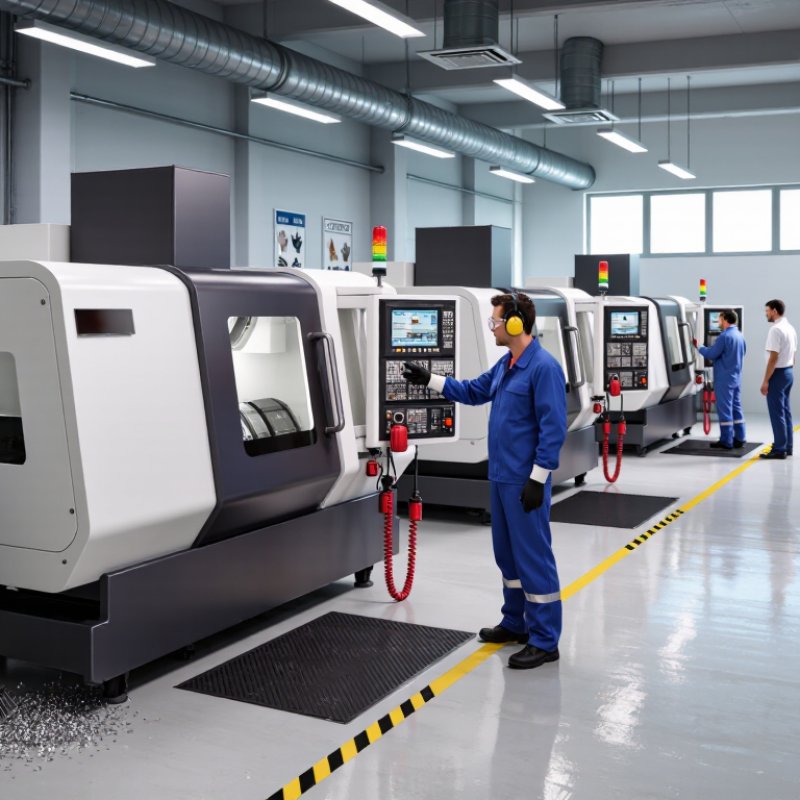
Understanding 2026 Machining Workshop Safety Requirements starts with a current risk assessment. Requirements may differ by country, region, and machine type. Supervisors should verify official workplace safety rules before changing procedures. A practical assessment examines cutting tools, rotating parts, electrical systems, coolant, noise, and lifting tasks.
Machine guards must prevent contact without creating new hazards. Emergency stops should remain visible, reachable, and regularly tested. Lockout and isolation procedures need clear steps for maintenance work. Workers should confirm zero energy before opening a guarded area.
Loose clothing, jewelry, and unsecured hair create serious risks near rotating equipment. Eye protection is essential. Face protection may be needed during high-speed cutting.
Training records should show who received instruction and when skills were checked. New operators need supervised practice, not only a signed form. Floors should stay dry and free from metal chips. Coolant handling requires suitable gloves, ventilation, and documented spill controls. Inspectors should record defects with photographs, dates, and corrective actions. Digital records can help, but they should not replace direct observation. No checklist is perfect. A rushed inspection may miss a damaged interlock or a tired worker. Regular reviews should consider near misses, equipment changes, and feedback from people using the machines daily.
Machining workshops in 2026 need risk assessments that reflect real working conditions, not paperwork alone. Hazards may include rotating chucks, exposed cutters, swarf, coolant mist, noise, heat, and unexpected machine movement. Start at the machine.
Observe each task from loading material to clearing finished parts. Record pinch points, sharp edges, ejected fragments, poor visibility, and awkward reaching. Check whether guards remain closed during operation. Inspect emergency stops, interlocks, extraction systems, lighting, and floor conditions. A quiet machine can still be dangerous.
A competent assessor should rate each hazard by likelihood and potential harm. Existing controls must be tested, not simply listed. Engineering controls should come before procedures or personal protective equipment. For example, use fixed guarding, chip shields, mechanical lifting aids, and effective mist extraction where suitable. Keep inspection records, maintenance dates, training evidence, and corrective actions accessible. Supervisors should interview operators because they notice repeated faults that formal inspections miss. They also need authority to stop unsafe work without pressure.
Training should cover setup, tool changes, isolation procedures, jam removal, and safe swarf handling. Never remove a guard to save time. I once saw a checklist marked complete beside a leaking coolant hose. The form was accurate only on paper. That mistake changed how our team reviewed evidence. Reassess risks after new equipment, process changes, incidents, or near misses. Use current national and local requirements as a baseline, then apply stricter controls when the workplace demands them.
How to Meet Machining Workshop Safety Requirements in 2026?
Applying Machine Guards, Safe Procedures, and Protective Controls
A safe machining workshop starts with guarding the hazard, not relying on worker attention. Install fixed or interlocked guards around rotating spindles, belts, chucks, and cutting zones. Guards should block access while allowing operators to observe the process. Test each interlock during scheduled inspections. Never operate equipment with a damaged guard.
Keep emergency stops visible and reachable from normal working positions. Confirm that stopping the machine does not create another hazard. For example, a heavy spindle may continue rotating after power removal. Operators need clear instructions for waiting, checking, and restarting. This detail is often missed.
Use written procedures for setup, tool changes, cleaning, and maintenance. Isolate energy before reaching inside equipment, following site rules and applicable requirements. Remove chips with a brush or approved tool, never bare hands. Wear suitable eye protection, protective footwear, and hearing protection where risk assessments require them. Loose clothing and jewelry should stay outside the work area.
Train workers beside the actual machine. Demonstrate safe clamping, control-panel use, and emergency response. Supervisors should observe real tasks, not only collect signatures on training forms. A checklist helps, but it cannot identify every unsafe shortcut. Workers may still bypass a guard when production pressure rises. That warning deserves attention, not blame. Review near misses, damaged controls, and awkward work positions regularly, then improve the equipment or procedure.
Practical control measures for machining workshops, aligned with commonly applicable occupational safety requirements and recognized machine-safety practices.
| Safety Area | Primary Hazard | Required or Recommended Control | Implementation Standard or Reference | Verification Frequency | Required Evidence | Control Status |
|---|---|---|---|---|---|---|
| Point-of-Operation Guarding | Contact with cutting tools, rotating workpieces, or pinch points | Install fixed, adjustable, or interlocked guards that prevent access to hazardous movement during operation. Guards must not create additional shear or pinch hazards. | OSHA 29 CFR 1910.212; ISO 12100 risk-reduction principles | Before use and after modification | Machine guard inspection checklist and corrective-action record | Required Control |
| Abrasive Wheel Protection | Wheel breakage, flying fragments, and exposure to the rotating wheel | Use a properly adjusted tongue guard and work rest. Maintain the required opening and clearance, and ensure the wheel is inspected before mounting and operation. | OSHA 29 CFR 1910.215; applicable machine-specific requirements | Before each shift | Wheel inspection log, mounting record, and maintenance history | Required Control |
| Chuck and Workholding Safety | Workpiece ejection, chuck-key release, and unexpected movement | Remove chuck keys immediately after use, verify secure clamping, use suitable jaws or fixtures, and prevent access to rotating chucks where practicable. | OSHA 29 CFR 1910.212; equipment risk assessment | Every setup and before start-up | Setup checklist and operator pre-start confirmation | Required Control |
| Emergency Stops | Delayed shutdown during entanglement, tool failure, or other emergency | Provide clearly identified emergency-stop devices that are readily accessible, tested, and not used as a substitute for machine isolation or normal stopping controls. | ISO 13850; applicable electrical and machinery safety requirements | At start-up and during scheduled inspection | Functional test record and defect-resolution report | Required Control |
| Lockout/Tagout | Unexpected energization or release of stored energy during servicing | Identify all energy sources, shut down the machine, isolate and lock each source, release stored energy, verify zero-energy state, and restore service under a controlled procedure. | OSHA 29 CFR 1910.147 | For every servicing or maintenance task | Energy-control procedure, authorized-worker training, and periodic inspection record | Required Control |
| Electrical Safety | Electric shock, arc energy, damaged wiring, or ungrounded equipment | Keep enclosures closed, maintain effective grounding, repair damaged cables, control access to electrical panels, and permit electrical work only by qualified personnel. | OSHA 29 CFR 1910 Subpart S; applicable electrical codes | Routine inspection and after electrical work | Electrical inspection report, repair record, and qualification documentation | Required Control |
| Coolant and Metal-Chip Control | Eye injury, skin exposure, slips, and cuts from sharp chips | Use splash guards, chip shields, suitable chip-removal tools, leak control, and housekeeping procedures. Never remove chips with bare hands or compressed air directed at people. | OSHA 29 CFR 1910.22; hazard communication requirements | Continuously during operation; clean at least each shift | Housekeeping checklist, coolant-management record, and incident report if applicable | Required Control |
| Personal Protective Equipment | Flying particles, sharp edges, noise, coolant contact, and foot injuries | Provide task-specific eye protection, safety footwear, hearing protection where required by exposure assessment, and protective clothing. Do not wear loose clothing, jewelry, or unsecured long hair near rotating equipment. | OSHA 29 CFR 1910.132 and 1910.133; exposure assessment | Before each task and during PPE inspections | PPE hazard assessment, issue record, training record, and inspection log | Required Control |
| Noise Exposure | Noise-induced hearing loss from machining, grinding, or compressed air | Measure employee exposure, apply engineering or administrative controls where feasible, establish hearing-protection requirements, and provide a hearing-conservation program when exposure criteria are exceeded. | OSHA 29 CFR 1910.95; applicable occupational exposure limits | According to the exposure-monitoring plan | Noise survey, dosimetry results, and hearing-conservation records | Risk-Based Control |
| Metalworking Fluids and Chemicals | Skin irritation, respiratory exposure, fire risk, and improper chemical handling | Maintain safety data sheets, label containers, provide ventilation and suitable gloves where appropriate, control mist generation, and train workers in spill and exposure response. | OSHA 29 CFR 1910.1200; applicable chemical exposure requirements | At introduction, change, and periodic review | Safety data sheets, chemical inventory, training record, and exposure-control review | Required Control |
| Operator Training and Authorization | Unsafe setup, incorrect programming, bypassed safeguards, or inadequate response to faults | Train operators on machine-specific hazards, controls, safe setup, emergency response, inspection, PPE, and prohibited practices. Permit independent operation only after competency is demonstrated. | OSHA 29 CFR 1910.147, 1910.212, and applicable training provisions | Before assignment and after process change | Training matrix, competency assessment, and authorization list | Required Control |
| Safety-Related Control Systems | Failure of interlocks, presence sensing, or protective control functions | Validate safety functions, prevent easy bypassing, monitor faults where required, and ensure that reset controls do not create automatic restart conditions. | ISO 13849-1 and ISO 13849-2; machine risk assessment | After installation, change, or safety-related fault | Safety-function validation report and change-control record | Risk-Based Control |
| Preventive Maintenance | Guard degradation, brake failure, worn tooling, leaks, and control malfunction | Use a documented maintenance plan covering guards, interlocks, emergency stops, brakes, lubrication, electrical components, fixtures, and safety devices. | Manufacturer instructions, risk assessment, and applicable regulatory requirements | Based on risk, usage, and maintenance intervals | Preventive-maintenance schedule, work orders, and defect closeout records | Required Control |
| Incident and Near-Miss Management | Repeat injuries or uncontrolled hazards that remain uncorrected | Report incidents and near misses, preserve relevant information, identify root causes, implement corrective actions, and verify that actions are effective. | Safety-management best practice and applicable reporting requirements | Immediately after an event | Incident report, root-cause analysis, corrective-action tracker, and verification record | Required Control |
| Management of Change | New hazards created by machine, tooling, layout, software, or process changes | Review risks before implementation, update guarding and procedures, retrain affected workers, and validate safety functions after the change. | ISO 12100 risk assessment principles; internal change-control procedure | Before every significant change | Change request, revised risk assessment, approval record, and retraining evidence | Required Control |
Note: Regulatory duties depend on jurisdiction, machine type, task, and exposure level. Use the applicable local legal requirements together with the machine manufacturer’s instructions and a documented workplace risk assessment.
How to Meet Machining Workshop Safety Requirements in 2026?
A safe machining workshop begins with practical training, not paperwork alone. Workers should learn PPE selection for cutting, grinding, noise, and flying particles. Safety glasses must fit closely, while hearing protection should match measured noise levels. Gloves require careful judgment near rotating equipment. Loose gloves can create serious entanglement risks. Supervisors should demonstrate safe practices beside the machine, then observe workers performing them. This hands-on check reveals habits that classroom tests may miss.
Chemical safety training should cover cutting fluids, solvents, labels, storage, and skin protection. Every worker needs access to current Safety Data Sheets and clearly marked containers. Training should explain ventilation, spill control, and what to do after skin or eye contact. Emergency response must include alarms, evacuation routes, first-aid locations, and incident reporting. Short drills work well. Still, drills can feel artificial, and some workers may hesitate under pressure. Reviewing those weaknesses honestly improves the next exercise.
Tips: Keep PPE examples beside the training area, not hidden in a cabinet. Use a small chemical spill scenario during monthly instruction. Ask workers to explain the emergency steps in their own words. Refresh training after equipment changes, near misses, or repeated mistakes. Record attendance, practical assessments, and corrective actions. A checklist helps, but it cannot replace careful observation.
How to Meet Machining Workshop Safety Requirements in 2026?
Maintaining Compliance Through Inspections, Records, and Continuous Improvement
A safe machining workshop depends on routine inspections, not occasional paperwork. In 2026, supervisors should verify machine guards, emergency stops, electrical panels, ventilation, lighting, and walkways. Inspectors need practical training and clear authority to stop unsafe work. Checklists should match each machine’s risks. A lathe inspection differs from a cutting or grinding station. Small details matter. Oil near a foot pedal can cause a serious incident.
Records must show what happened, not merely confirm that someone signed a form. Each entry should include the inspection date, machine identity, findings, photographs when useful, corrective actions, responsible employees, and completion deadlines. Training records should identify the topic, attendees, instructor, and follow-up needs. Keep documents secure and easy to retrieve during internal or regulatory reviews. Requirements may vary by location, so managers should verify current occupational safety rules before updating procedures.
Continuous improvement begins with reviewing patterns. A monthly meeting can compare near misses, repeated defects, overdue repairs, and employee suggestions. If one guard fails repeatedly, replacing it is not enough. Investigate installation, maintenance, and operator habits. Admit gaps openly. A clean checklist can still hide weak supervision. Sometimes production pressure influences decisions more than written procedures. Revising schedules, improving lockout training, and involving operators can make controls more realistic. Measure progress through completed actions, reduced incidents, and better reporting—not paperwork volume alone.
Maintaining compliance requires organized inspections, traceable records, and continuous improvement. The chart shows minimum U.S. OSHA retention periods for key safety records.
OSHA minimums: injury and illness records must be retained for 5 years; employee exposure records for 30 years; and employee medical records for the duration of employment plus 30 years. Always verify applicable local requirements.
Source: U.S. OSHA 29 CFR 1904.33 and 29 CFR 1910.1020.
Check rotating chucks, exposed cutters, sharp swarf, coolant mist, noise, heat, and unexpected movement. A quiet machine can still hurt someone. Observe every task, from loading material to clearing finished parts.
Inspect guards, emergency stops, interlocks, extraction, lighting, electrical panels, floors, and walkways. Look for oil near foot pedals. Check whether guards stay closed during operation. Small details matter.
Record pinch points, poor visibility, awkward reaching, ejected fragments, and sharp edges. Rate each hazard by likelihood and possible harm. Test existing controls instead of merely listing them.
Use engineering controls before procedures or personal protective equipment. Examples include fixed guards, chip shields, lifting aids, and mist extraction. Protective equipment still matters. It should not carry the whole burden.
Training should cover setup, tool changes, isolation, jam removal, and safe swarf handling. Operators should know when to stop work. Never remove a guard to save time.
Records should show the machine identity, inspection date, findings, photographs, actions, owners, and deadlines. A signature alone proves very little. Keep records secure and easy to retrieve.
Review near misses, repeated defects, overdue repairs, and employee suggestions every month. Investigate guards that fail repeatedly. Replacement alone may not solve the problem. Check installation, maintenance, and operator habits.
Reassess after new equipment, process changes, incidents, or near misses. Also review repeated faults and changing work conditions. A clean checklist can hide weak supervision. We should admit that.
Meeting machining workshop safety requirements in 2026 requires a structured approach that combines hazard awareness, effective controls, worker training, and continuous improvement. The process begins with identifying risks from moving machinery, cutting tools, noise, heat, sparks, dust, chemicals, electrical systems, and material handling. A careful workplace assessment should determine which hazards need guarding, isolation, ventilation, warning signs, safe operating procedures, or other protective measures. Understanding what safety measures are required in machining workshops helps managers create practical controls that protect workers without disrupting production.
Employees should receive regular instruction on machine operation, PPE selection, chemical handling, emergency response, fire prevention, and incident reporting. Safety compliance must also be supported by routine inspections, equipment maintenance, documented training, risk assessments, and corrective-action records. By reviewing incidents, encouraging worker feedback, and updating procedures when equipment or processes change, workshops can strengthen their safety culture and maintain reliable protection throughout daily operations.

DSCUT CNC